When architecture becomes art: Strange yet amazing architectural designs
Architecture has never been just for shelter or functional space. In modern society, architecture has long been given more meanings. It carries cultural heritage, technological breakthroughs, and even artistic expressions. Although those seemingly weird, chic, and even strange buildings often cause controversy, they have attracted countless eyes without exception and challenged our traditional perception of aesthetics, space, and function. These buildings are not cold reinforced concrete piles, but with their unique form, creative design, and unexpected structure, they have subverted our understanding of architecture and become an artistic wonder in modern cities.
Unruly in minimalism-"curved" buildings
Have you ever seen a curved high-rise building, whose outline seems to be bent randomly after a gust of wind? This design is not only a bold attempt by artists, but also a bold challenge to architectural specifications and design concepts. Take the "Abu Dhabi Rotating Tower" in Abu Dhabi as an example. The design of this tower is inspired by traditional Arab culture and fully integrates modern technological elements. Its appearance seems casual, but it is the result of precise engineering design. The rotating structure of the tower not only makes it present a unique curvaceous beauty, but also gives it excellent wind resistance and lighting effects. This design style has both a sense of the future and a perfect fusion of tradition and modernity, making this building attractive both during the day and at night, and becoming a bright star in the city skyline.
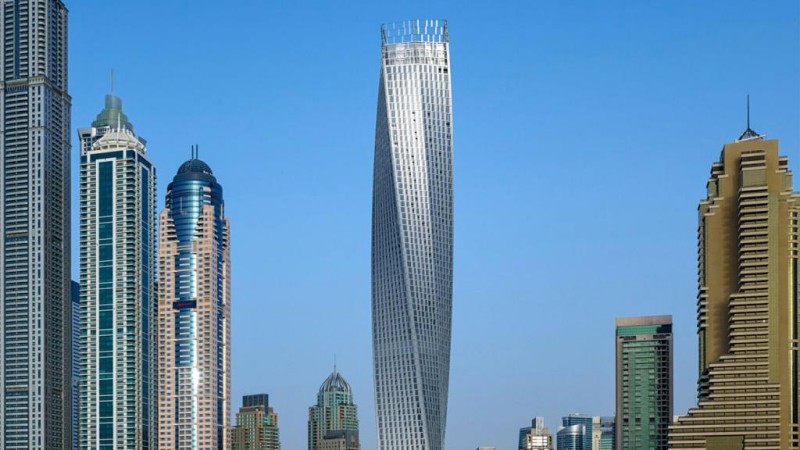
Such a design not only brings visual shock, but also breaks the limitations of the construction industry. It allows us to re-examine the meaning of "straight lines" and "curves" in architectural design. Perhaps this is the charm of architecture-it is not only the shaping of space, but also the continuous exploration and breakthrough of aesthetics.
Dislocated space-let the building "float"
For example, the **"Floating Island of Architecture"** in Tokyo, this architectural design adopts the concept of "dislocated space". Part of the building seems to float in the air, as if suspended above the ground. The upper floor of the building is connected to the lower floor through a hanging structure, and this sense of suspension is completely achieved through sophisticated technical means. This design breaks the gravity constraints of traditional architecture and further pushes human understanding of space to the extreme.
This "out-of-touch" design makes people sigh: it turns out that buildings can float. It not only solves the limitations of space, but also breaks the inherent stability thinking of architecture, making the building itself more futuristic, and also making people's conception of urban space richer and freer. Every seemingly floating building is like a kind of artwork, blurring the boundaries between architecture and sculpture, showing a visually impactful beauty.
Vibrant aliens-architecture is presented like sculptures
The artist's imagination is often particularly prominent in the architectural world. Take **"Sagrada Familia in Barcelona"** as an example. This church designed by Antoni Gaudi has not yet been completed, but its uniqueness has made it one of the most famous buildings in the world. The appearance of the Sagrada Familia is like a complex sculpture, combining elements of Gothic architecture and Gaudi's unique curve design, with a strong sense of three-dimensionality and layering. Gaudi observed the forms of nature and integrated them into the architectural design. Every stone carving, every pillar, and every decoration of the building is full of vitality, as if it is interdependent with the surrounding environment.
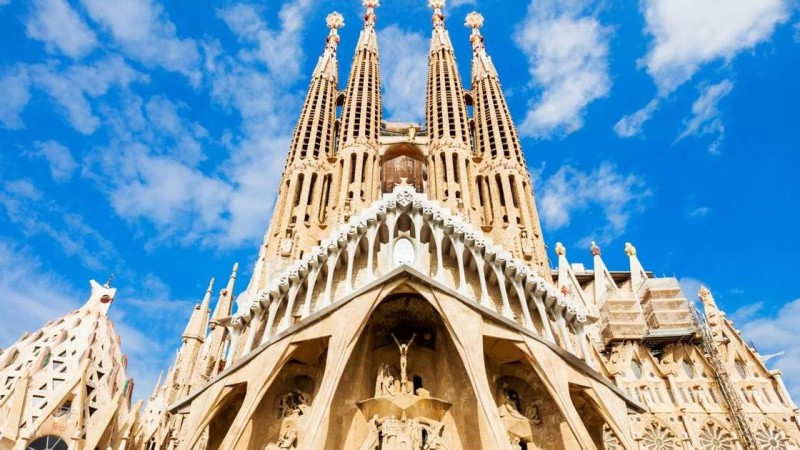
This design style that integrates architecture and sculpture brings not only visual shock but also spiritual shock. It makes people understand that architecture is not just a pile of functions, but also a freely created work of art. Every building can be a unique and vibrant work of art, enough to make people linger.
Extremely abstract "alien" buildings
And those architectural designs that seem to be out of the earth bring another completely different visual experience. For example, the "Galactic Center", a building located in China, looks like some kind of alien spaceship, exuding a strong sense of future technology. The designer incorporates streamlined and sci-fi curves into the building, like a "pearl" floating from the future interstellar. There are almost no parallel or vertical lines on the facade of this building. The curved lines on the surface of the building make the entire structure look very fluid and full of vitality, as if it itself is constantly changing with time and space.
This extremely abstract design allows us to see new directions for the possible development of architecture in the future. In these buildings, we no longer only focus on whether they meet functional requirements, but pay more attention to their "vitality" and "sense of existence". These buildings are a complete subversion of traditional architectural aesthetics. They are more concerned with expressing an invisible temperament of the future world - in designs without boundaries and frames, human imagination is released to the greatest extent.
The perfect blend of tradition and modernity
Although many eccentric architectural designs subvert our inherent understanding of aesthetics, their "eccentricity" does not mean that they are out of date. On the contrary, these designs can often find the most beautiful balance between tradition and modernity. Classic buildings like the "Sydney Opera House" have adopted an innovative sailboat shape, which was considered subversive when it was designed in the 1960s. However, it is this "seemingly eccentric" design that has made the Sydney Opera House one of the most iconic buildings in the world, a symbol of Sydney, and a model of the perfect fusion of modern architecture and art.
These designs are not just the creative expressions of architects themselves, they are also deeply rooted in the cultural background and historical context of the city. In these eccentric but amazing buildings, we see not only novel design languages, but also a deep understanding and integration of traditional culture and modern technology.
Conclusion: Architecture is an art of constant exploration
When architecture becomes art, it is no longer a simple functional space, but a carrier of creativity and thinking. Those seemingly weird architectural designs may be a breakthrough in tradition, a rebellion against convention, or an endless imagination of the future world. They inspire our thinking and guide us to re-examine the meaning of space and the relationship between humans and architecture.
In the cities of the future, we may see more "weird" and amazing buildings, which stand in front of us like works of art, challenging our senses and enlightening our thoughts. Architecture will no longer be just a pile of steel and concrete, but an expression of endless creativity and the crystallization of human wisdom and art.