What would the world be like if the Earth stopped spinning?
The earth turns every day so that we can feel the change of day and night. If one day the earth suddenly stops rotating, the result will be very serious and the whole world will change dramatically. Let's take a look at what happens when the earth stops rotating.
1. Instantaneous catastrophic consequences
First of all, if the earth suddenly stops, everything on the ground, including the air, the oceans, and even human beings and buildings, would jerk to the east because of inertia. The Earth rotates at about 1,670 kilometers per hour in the equatorial region! This means that if the earth stopped spinning, we would be thrown out instantly as if we were in a super-fast car. All buildings would collapse, cars would tumble, and the ocean would instantly rush towards the land, causing huge tsunamis. The winds and currents at this point would be so strong that almost nothing could withstand them. Coastal areas could be flooded and cities and villages completely destroyed. This is a deadly disaster for all living things on earth.
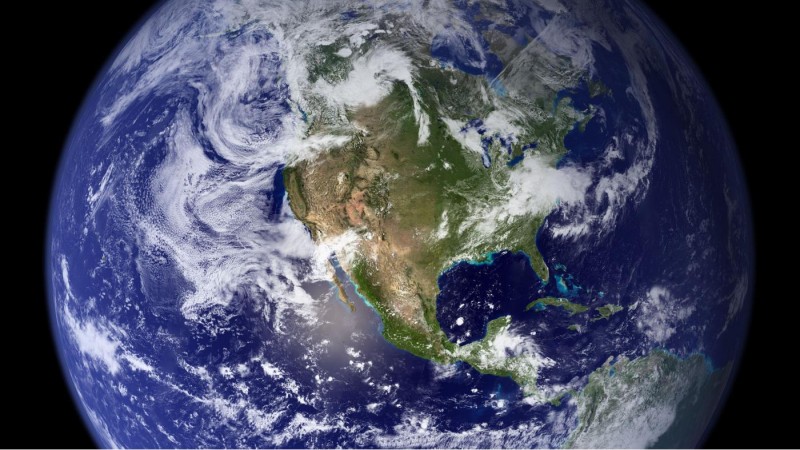
2. Day and night disappear and extreme weather descends
If the Earth stopped rotating, day and night would cease to exist. One half of the earth would always face the sun and the other half would always be in darkness. The side that is exposed to the sun's rays would become very hot, like a huge oven. The other side, which is always in darkness, would become extremely cold, like the ice-covered polar regions.
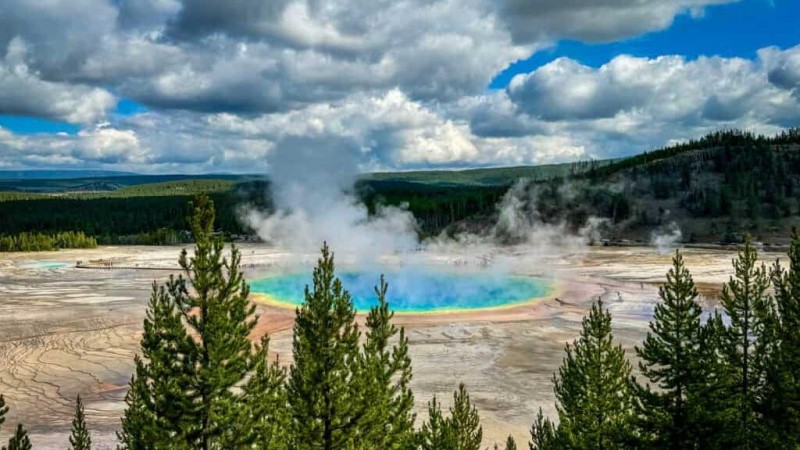
On the side where the sun shines, the temperature gets so high that water evaporates, the ground becomes dry and cracked, plants may not grow, and fires may even start. On the other side of the darkness, temperatures would become so cold that the ocean would freeze and the land would turn into permafrost. This extreme temperature difference makes most areas unlivable.
3. Magnetic field chaos, cosmic radiation threat
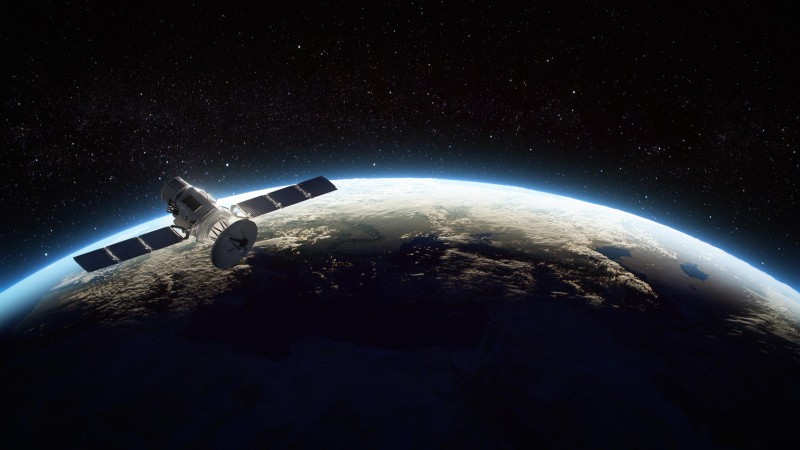
The Earth's rotation creates the Earth's magnetic field, which acts like a protective shield to help keep us out of the solar wind and harmful radiation from the universe. If the Earth stops rotating, the Earth's magnetic field will also become very weak and may even disappear. Once the magnetic field disappears, living things on Earth will be exposed to intense cosmic radiation. This radiation can lead to an increase in diseases such as skin cancer, and may also interfere with communication and navigation systems, or even prevent satellites from working properly. The Earth's ecosystem and our daily lives would be seriously threatened.
4. Redistribution of oceans and land
As the Earth rotates, the ocean water near the equator is pushed slightly outward because of centrifugal force. When the rotation stops, the centrifugal force disappears and the ocean water level will be redistributed. Seawater in the equatorial regions will flow toward the poles, causing sea levels to fall in the equatorial regions and rise in the polar regions.
This change would drastically alter the face of the Earth. Many coastal cities could be swallowed up by the sea, while some once-oceanic areas could become new land masses. The Earth's topography and climate would change so dramatically that many places would become unsuitable for survival, and organisms would be under great pressure to survive.
5. Implications for human society
In the face of these terrible changes, human society would experience great difficulties. Cities and infrastructures around the world will be destroyed, and communications, transportation, food and water will become extremely scarce. People will be plunged into an existential crisis, and society will be in turmoil. While some affluent areas may build conservation facilities and new ecosystems, people in most places will face even greater hardship because of resource shortages. Humans will have to rethink how to cope with a collapsing world and may need to find new homes underground or at sea.
6. Possible long-term adaptation
Despite the catastrophe brought about by the Earth's cessation of rotation, life is remarkably adaptable. Some microorganisms may be able to survive in hot or extremely cold environments. And humans may be able to use technology to build new habitats adapted to extreme climates, or even try to restore the Earth's rotation through technological means.
Scientists may find new ways to adapt to this changed world, and perhaps we can rebuild our homes on a new planet. But all this will take time and be very difficult.
If the Earth suddenly stopped rotating, the world would change extremely dramatically. Massive destruction, extreme climates, loss of magnetic fields, and changes in the oceans and land would all change the way we live now. Human society would face unprecedented challenges, but perhaps we could find new ways to survive through technology and resilience.
This scenario reminds us that every day of the Earth's life is precious, and that its stable functioning is the basis on which human beings and all life on Earth can survive. We must cherish and protect this beautiful planet even more.