Pork can taste like steak? These parts surprise you!
In the world of food, steak has always occupied a place in high-end cuisine with its juicy and mellow flavor. However, what you may not know is that certain parts of pork, when cooked smartly, can also bring a taste and flavor comparable to steak, adding more delicious possibilities to your table, and usually at a lower cost. Today, we're going to tell you more about those parts of pork that can bring out the flavor of a steak and how to cook them, so you can easily turn into a home chef and wow the taste buds of the whole family.
1. Plum Blossom Pork
Plum blossom meat is located in the shoulder blade part of the pig, lean meat and fat like plum blossom interlaced distribution, hence the name. This unique texture allows the meat to remain tender and juicy during the cooking process, while providing a rich flavor profile that is similar to the tenderness of steak.
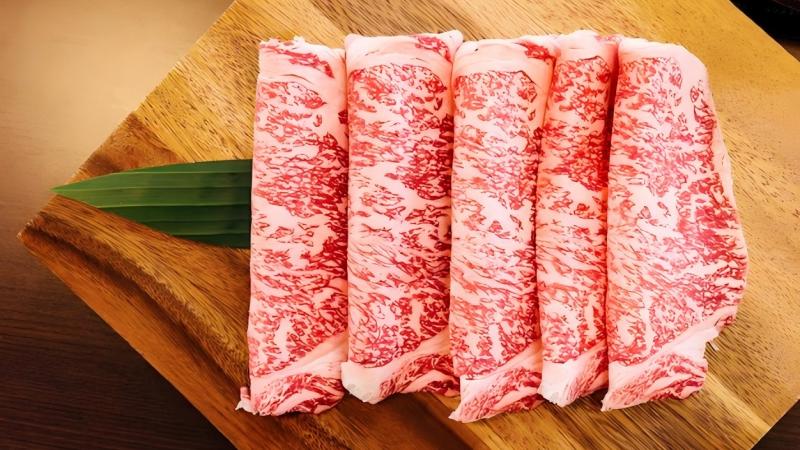
Pan-frying is the recommended way to cook plum meat. Cut the meat into slices of appropriate thickness and gently blot the surface with kitchen paper towels to prevent splattering when frying. Heat a small amount of cooking oil in a pan until lightly smoking, then add the meat.
Do not turn the meat too often at the beginning of the frying process, so that a golden brown crust will form on the surface of the meat and lock in the moisture inside. After frying until both sides are golden brown, sprinkle with salt, black pepper and other favorite spices such as rosemary or thyme to taste to add flavor. Pan-fried plum meat is crispy on the outside and tender on the inside, and you can feel the fat melting wonderfully on your tongue with every bite, which is comparable to the tenderness and juiciness of steak.
2. Pork Neck
Pork neck meat, also known as “pine board meat”, is taken from the back of the neck area of the pig. This part of the meat is tender, with uniform fat distribution and rich in collagen, and has a crisp and chewy texture, similar to the tender shoulder or rib eye part of steak.
For cooking pork neck, grilling is an excellent option. Cut the pork neck meat into thin slices or small pieces and marinate it with seasonings such as cooking wine, soy sauce, oyster sauce, minced garlic, minced ginger and honey for a period of time so that it can fully absorb the flavor of the seasonings. Then, place the marinated pork neck on a preheated grill and grill over medium heat.
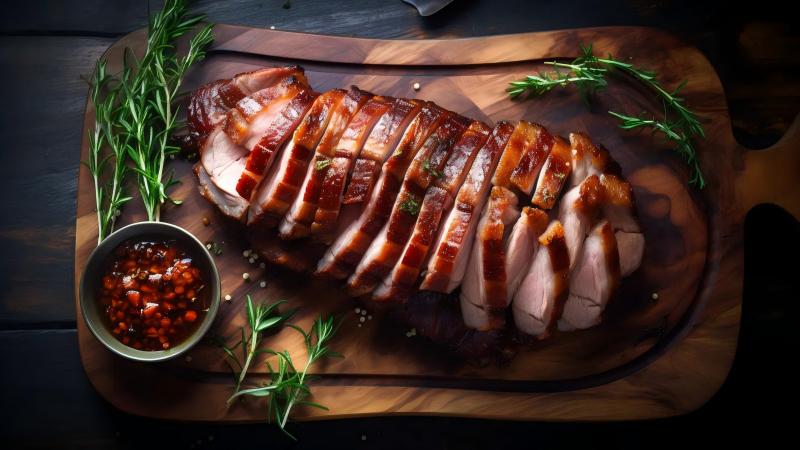
Turn the pork neck over from time to time during the grilling process to ensure that both sides are evenly heated until the surface is an attractive golden brown color and slightly oozing with fat. Roasted pork neck meat aroma, bite, both the mellow pork, but also similar to the tender taste of steak, with some lettuce, cucumber and other vegetables, with pancakes rolled up to eat, a unique flavor.
3. Pork Tenderloin
Pork tenderloin is the lean meat from the back of the pig's spine, which is tender and gluten-free, with high protein content and relatively low fat content, making it an ideal choice for diners seeking a balance between health and flavor. Its tender flavor is more similar to the filet part of a steak, but at a more affordable price.
To make a steak-flavored pork tenderloin, you can use a combination of pan-frying and grilling. First, cut the tenderloin into uniformly thick slices and gently pat the meat with the back of a knife to loosen it up and make it easier to flavor. Next, marinate for 20 - 30 minutes in salt, black pepper, olive oil and lemon juice. Heat olive oil in a pan, add the marinated meat and fry over medium-low heat until both sides are golden brown and the meat is about 70-80% cooked.
Then, place the slices in a preheated 200°C oven for 3 - 5 minutes to allow the interior to cook through and develop a nice char. The result is a pork tenderloin that is golden and crispy on the outside and juicy on the inside, with a mushroom sauce or black pepper sauce for a texture and flavor that rivals that of steak.
4. Pork (thick cut)
Pork is usually lean and fat, but when cut thickly and cooked in a special way, it can also have a steak-like texture and flavor. During the frying process of thick-cut pancetta, the fat portion will gradually melt and moisturize the lean portion, keeping it tender while forming a crispy crust, which is similar to the combination of the charred exterior and juicy interior of steak.
To cook the thick-cut pancetta, start by cutting the pancetta into cubes about 2 - 3 centimeters thick and patting them dry with kitchen paper towels. In a pan without oil, place the cubes directly into the pan and fry them slowly over a low heat. The fat will gradually seep out of the pork. Turn the pork over and continue to cook the other side until both sides are golden brown and the fat is almost completely seared out.
At this point, remove the pork from the pan, absorb the excess fat with kitchen paper towels, sprinkle with salt, black pepper and other seasonings, and some chili powder if you like spicy food. After thick-cut pork is fried in this way, the outer skin is crispy and the inner part is tender and juicy. With some cold vegetables or kimchi, it will be relieved of fatigue and delicious.
These pork parts can not only satisfy your craving for steak flavor, but also let you enjoy the unique charm and rich nutritional value of pork while enjoying the food. Whether it is a family dinner or daily diet, try to use these pork parts to make steak-flavored dishes, can add a different wonderful for your table. Let's try it and start a delicious cross-border journey between pork and steak!