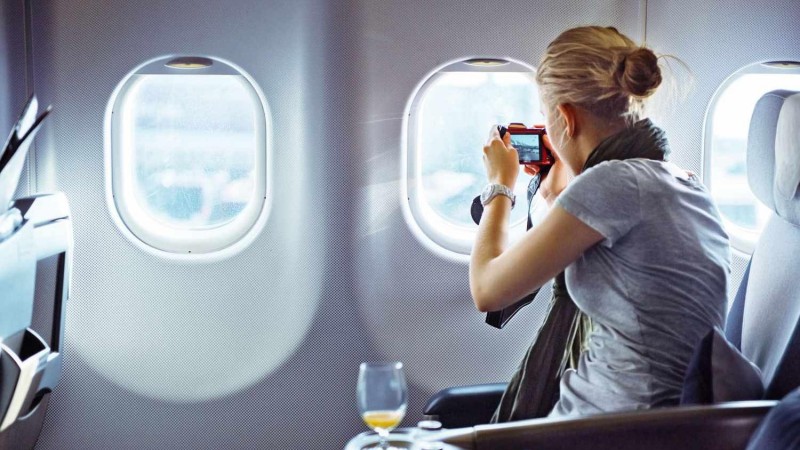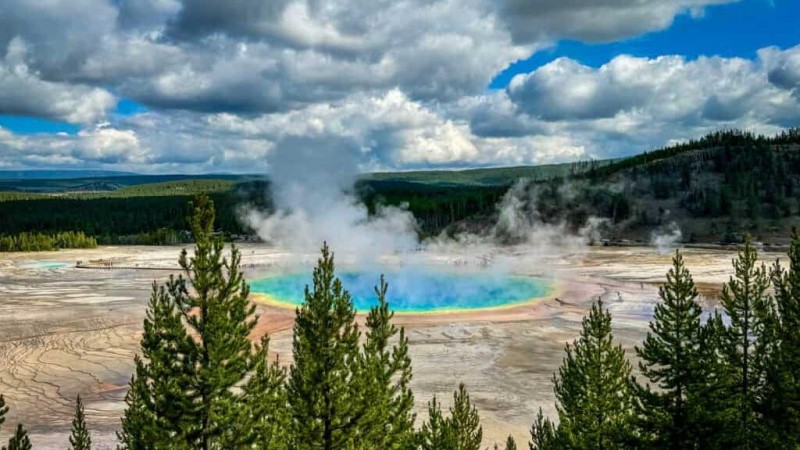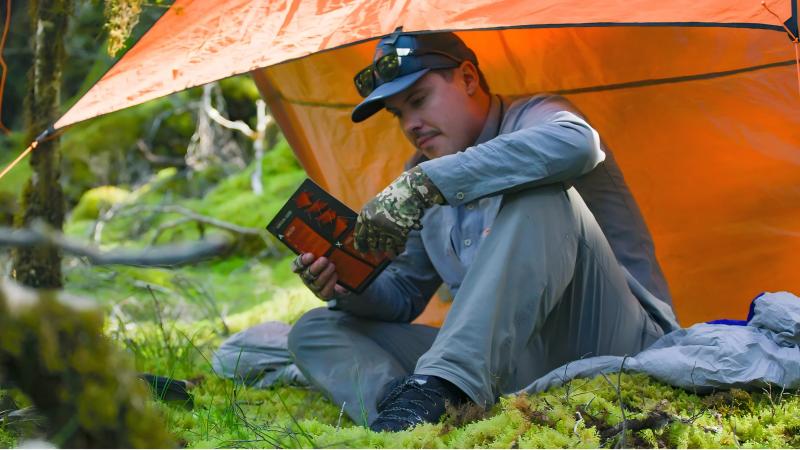
Plan your first great experience of camping under the stars!
A quiet night, warm and cozy under a twinkling starry sky, leaves rustling gently in the breeze, and a campfire crackling. Sounds like a dream, right? Well, get ready to turn your dreams into reality! Planning your first star camping adventure may seem overwhelming, but don't worry, this guide will make it as easy as roasting marshmallows. Whether you're a nature novice or a budding astronomer, here's everything you need to know to make your first night under the stars an unforgettable adventure.
What to camp under the stars?
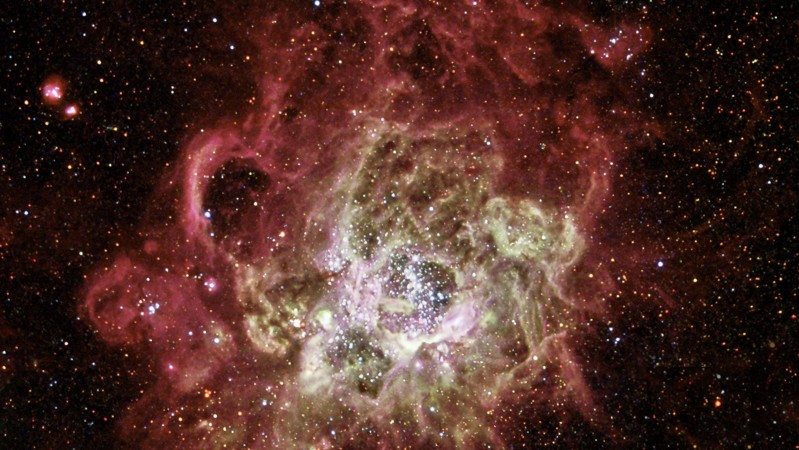
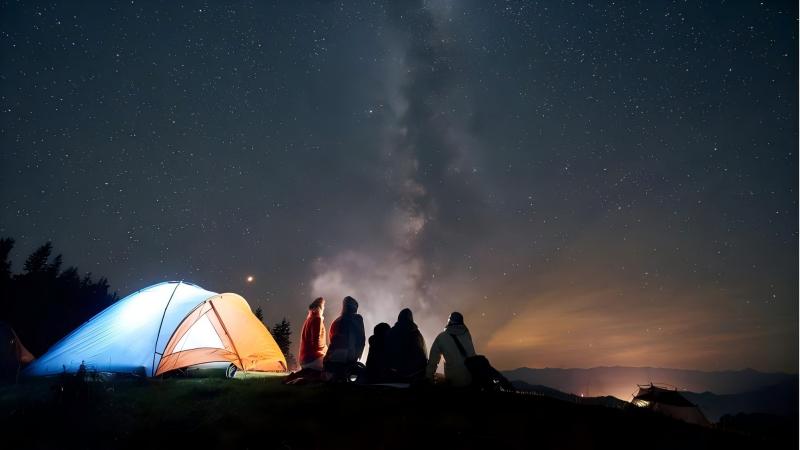
Well, let's talk about the magic of the stars. You've seen it in movies and heard people rave about it, but have you ever experienced it in person? It's simply a whole different world! Watching a sky full of stars is like seeing the universe unveil its secrets for you. Lying on your back under a starry sky, feeling small yet connected to the universe is a deeply humbling and awe-inspiring feeling. Camping under the stars isn't just about the view, it's about the vibe. It's about reconnecting with nature, escaping the hustle and bustle of everyday life, and creating memories that shine brighter than the constellations themselves. So, if you want to give it a try, the answer is “yes.” You owe yourself a dazzling experience.
Choosing the perfect spot
Now, here's the thing: not every place will give you those jaw-dropping, Instagram-worthy views of the stars. Cities are convenient, but terrible for stargazing. Light pollution washes away stars faster than a summer rainstorm. You need to venture out into the wilderness, or at least the countryside, where the night sky can shine. National parks, remote campgrounds, and designated dark sky preserves are your best bet. Search for locations online and check reviews to find spots with minimal light pollution and a clear horizon. apps such as Dark Sky Finder can help you determine the best stargazing spots nearby. Trust me, the effort is worth it.
When to go stargazing camping
Choosing the right time to go camping is just as important as choosing the perfect spot. First, check the moon phase. A full moon is fascinating, but it can overshadow the stars. Aim for a crescent or new moon to see the darkest skies. Also, consider the season. Summer nights are warm and pleasant, but winter skies tend to be clearer. If you're lucky, you might catch a meteor shower like the Perseid meteor shower or the Geminid meteor shower. Imagine watching meteors streak across the sky while you're wrapped up in a cozy sleeping bag. Pure magic, isn't it?
What to pack for star camping
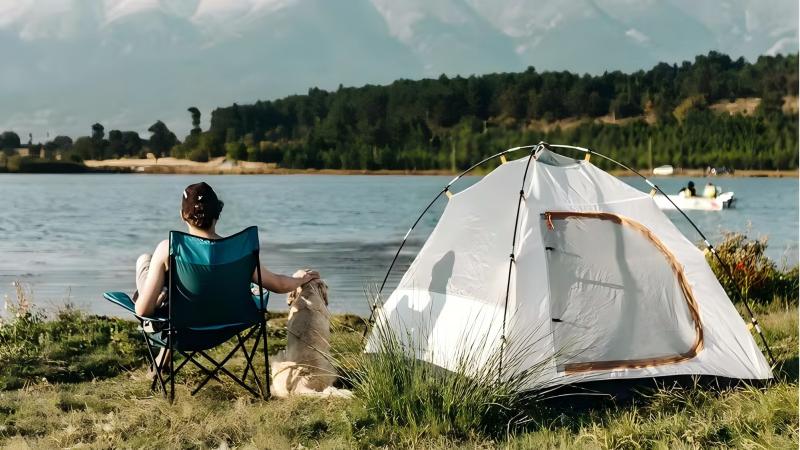
Let's talk gear. First up is a good tent. Choose a tent with a mesh roof so you can stargaze from the comfort of your sleeping bag. If the weather permits, consider going without a tent and using a bivvy bag or sleeping under the open sky. Next, you'll need a cozy sleeping bag and sleeping pad to stay warm and comfortable. Don't forget to bring a red flashlight - it will protect your night vision and allow you to see the stars better. A good pair of binoculars or a portable telescope can take your stargazing game to the next level. And, of course, bring layers of clothing, as temperatures can drop faster than a Wi-Fi signal at night.
Understanding the Night Sky
Before you head out, brush up on your stargazing skills. You don't need to be an astrophysicist, but knowing a few constellations will make the stargazing experience more fun. Download a stargazing app such as Star Walk or SkySafari. these apps are like a personal astronomer in your pocket. Simply point your phone at the sky and they'll identify stars, planets and constellations for you. If you're ambitious, print out a star chart or bring along a beginner's guide to the night sky. Knowing where and when to look for celestial highlights, such as Saturn's halo or the Milky Way, is the secret to an epic night of stargazing.
Food, drink and campsites
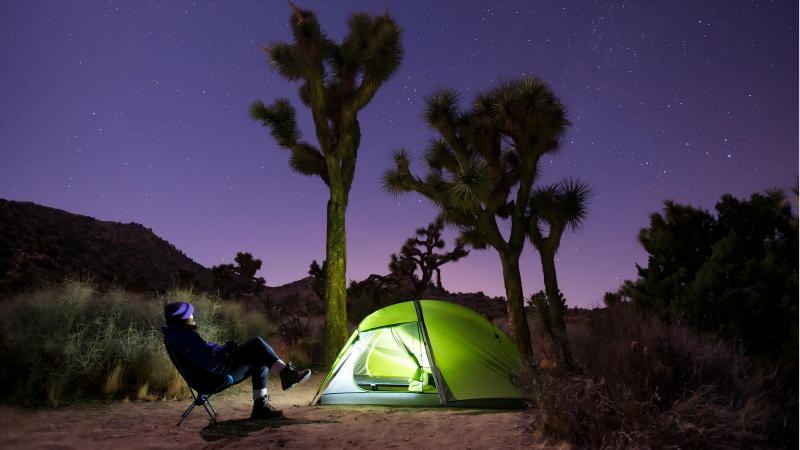
How can a camping trip be without delicious food? Pack some easy-to-prepare snacks and meals to enjoy around the campfire. Think foil-wrapped dinners, roasts, and hot chocolate. There's something magical about sipping a hot beverage while gazing at the stars - it's like wrapping your soul in a blanket. Don't forget to bring a good water bottle or hydration system. Even if you're just cooling off under the stars, it's important to stay hydrated. Suggestion: bring a hot tea or coffee thermos. This is the perfect companion for stargazing on a cold, late night. Once you arrive at your campsite, take your time setting up. Choose a flat, open area to set up your tent or sleeping gear. Make sure to stay away from trees or anything that might block your view. If you are using a tent with a mesh roof, position it so that you can look straight up at the sky without craning your neck. Keep your gear within easy reach. You don't want to be looking around for binoculars or snacks in the dark. Trust me, a little organization goes a long way when working under the stars.
Embrace the darkness
The sun is setting and a good show is on! Find a place to sit and let your eyes adjust to the darkness. This will take about 20 minutes, so be patient. Use this time to immerse yourself in the colors of the night - the chirping of crickets, the rustling of leaves, even the howling of coyotes in the distance. Then, look up. The sky will slowly come alive, revealing more stars than you ever imagined. Take your time exploring the constellations. Use the app or a star chart to find classic constellations like Orion, Cassiopeia, or the Big Dipper. Spot the first shooting star? It's a moment you'll never forget.
Photography
If you love photography, then a star camping trip is a goldmine for amazing photos. Bring a camera with manual settings, a sturdy tripod, and a wide-angle lens. Set your exposure time to around 20-30 seconds and experiment with ISO and aperture settings to capture dazzling star detail. Pro tip: Practice shooting at home before you travel. Learning night photography takes time, and you don't want to miss out on moments while you're fumbling with your camera.
Share the experience
While traveling alone is certainly rewarding, stargazing with friends or family is even better. When you spot a shooting star or find a constellation together, there's something special about sharing the moment. Additionally, having company around a campfire adds a warmth, both literally and metaphorically. Make this a group adventure and encourage everyone to bring their own stargazing gear or share interesting facts about the night sky. Trust me, this will be an intimate experience that you'll be talking about for years to come.
As dreamy as star camping sounds, don't forget to be safe. Let someone know where you're going and when you'll be back. Pack a first aid kit and be sure to check the weather forecast before you leave. Keep your cell phone charged, but also bring a physical map in case you lose signal. Remember that wildlife is part of the experience, so keep your food safe and avoid unwanted midnight visitors. Once you've experienced the magic of camping under the stars, you'll want to tell everyone about it. Share your stories, photos and tips with friends and family. Inspire them to embark on their own stargazing adventure. The stars are calling and they're ready to share their eternal secrets with you. Whether you're gazing at the Milky Way, spotting shooting stars, or simply soaking up the stillness of the night, your first star camping experience will be a memory you'll cherish forever.