Five Surprising Benefits of Quitting Alcohol!
In today's society, drinking alcohol has become a way for many people to socialize or relax. However, excessive drinking can have many negative effects on the body and life. If you can successfully stop drinking, you will reap five surprising benefits that will not only improve your health, but also your overall quality of life.
1. Significant improvement in organ function
Chronic alcohol abuse places a great burden on the liver, which is the main place where alcohol is metabolized. After quitting drinking, the liver is freed from the heavy work of detoxification and has the opportunity to repair and regenerate itself. Liver cells once damaged by alcohol gradually recover and liver function slowly normalizes, reducing the risk of serious diseases such as fatty liver, alcoholic hepatitis and even cirrhosis. For example, those who have abnormal liver function indicators due to long-term alcohol consumption will see a gradual decrease in transaminases and other indicators after abstaining from alcohol for a period of time, and the liver's metabolism and detoxification functions are gradually enhanced.

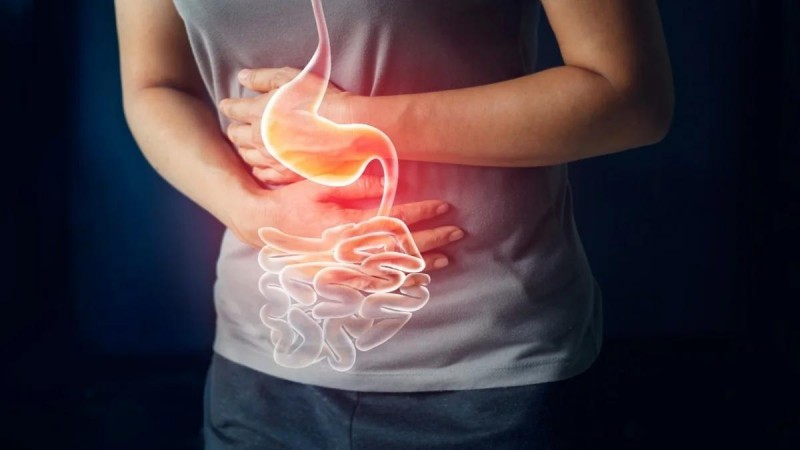
In addition to the liver, the gastrointestinal tract will also benefit from abstinence from alcohol. Alcohol can stimulate the gastric mucosa, causing gastritis, gastric ulcer and other diseases, but also affect the normal digestion and absorption of the intestinal tract. After abstaining from alcohol, the stomach and intestines are no longer subjected to the constant stimulation of alcohol, the inflammation of the stomach is gradually reduced, and the healing of peptic ulcers is accelerated. The micro-ecological environment of the intestinal tract will also gradually restore the balance, the number of beneficial bacteria increases, and the absorption of nutrients is more adequate, thus improving the overall digestive function and reducing gastrointestinal symptoms such as bloating, abdominal pain, diarrhea or constipation.
2. Refreshed mental state
Although alcohol may produce a feeling of relaxation in the short term, in the long term, it has an inhibitory effect on the nervous system, which affects the normal function of the brain. After quitting drinking, the nerve cells of the brain are no longer disturbed by alcohol, and memory and concentration will be significantly improved. Thoughts that were once dulled by alcohol consumption gradually become quicker, and learning and work efficiency increase dramatically. For example, many chronic alcoholics find it difficult to concentrate on reading books or completing complex tasks in the early stages of sobriety, but as time passes, they are able to concentrate more on a variety of activities, and their memory recovers, enabling them to better remember new knowledge and information.
Also, abstaining from alcohol can help improve emotional states. Alcoholism is often interconnected with emotional problems such as anxiety and depression. On the one hand, drinkers may try to alleviate bad moods through alcohol; on the other hand, alcohol itself can aggravate mood disorders. When drinking stops, the mood gradually stabilizes and symptoms of anxiety and depression are reduced. Alcoholics will find it easier to control their emotions, no longer fall into low mood or irritability as easily as before, and be able to face various challenges in life with a more positive and optimistic mindset.
3、Sleep quality greatly improved
Many people mistakenly think that drinking alcohol helps them sleep. In fact, although alcohol may make people fall asleep faster, it can seriously affect the depth and quality of sleep. During sleep, drinkers will wake up frequently and stay in a light sleep state for a longer period of time, unable to enter deep sleep and Rapid Eye Movement (REM) period, resulting in the body and brain not getting enough rest. After abstaining from alcohol, the sleep pattern gradually returns to normal, and the person is able to enter the deep sleep stage smoothly, with fewer awakenings at night and more restful sleep. You will wake up in the morning feeling refreshed instead of dizzy and exhausted as before. Long-term adherence to abstinence from alcohol helps to regulate the biological clock and establish a healthy and stable sleep pattern, so that people are energetic during the day and improve the efficiency of work and life.

4. Outward appearance and image more outstanding
The effect of alcohol on the skin should not be ignored. Long-term consumption of alcohol will make the skin vasodilatation, leading to facial flushing, capillary rupture, the so-called “rosacea”. Furthermore, alcohol accelerates the aging process of the skin, making it dry, rough and inelastic, and making wrinkles and blemishes more visible. After quitting drinking, the blood circulation of the skin gradually returns to normal, no longer continuously stimulated by alcohol, and the skin begins to repair and moisturize itself. Over a period of time, the skin will become smoother and more refined, and its color will improve, looking healthier and more radiant.
Additionally, quitting alcohol may also help to alleviate the problem of alcohol-induced weight gain. Alcohol is high in calories and affects the body's metabolism, leading to fat accumulation. After quitting alcohol, the body can better regulate energy metabolism, and with proper diet and exercise, weight can be expected to gradually return to the normal range, and the body will be more proportional.
5. More harmonious social and family relationships
Excessive drinking often leads to awkward or even conflicting situations in social settings. Alcoholics may lose control of their words and behavior because of the effects of alcohol, affecting their own image in the minds of others and thus destroying good social relationships. In family life, alcoholism is one of the most important factors that can cause conflicts, which may bring emotional harm and life problems to family members.
After abstaining from alcohol, individuals are able to remain sober and rational in social situations, behave appropriately, and communicate and interact better with others, thus helping to expand and maintain good interpersonal relationships. In the family, the individual is able to participate more actively in family activities and care for the needs of family members, and the relationship with family members will become more intimate and harmonious, creating a warm and stable atmosphere for family life.
While sobriety can be a challenging process, the five amazing benefits it brings are real and desirable. Whether it's for your own physical health, improved mental state, a better outward appearance and harmonious relationships, sobriety is a choice worth trying hard for. Let's take the first step to sobriety and start a healthier, better chapter in our lives.