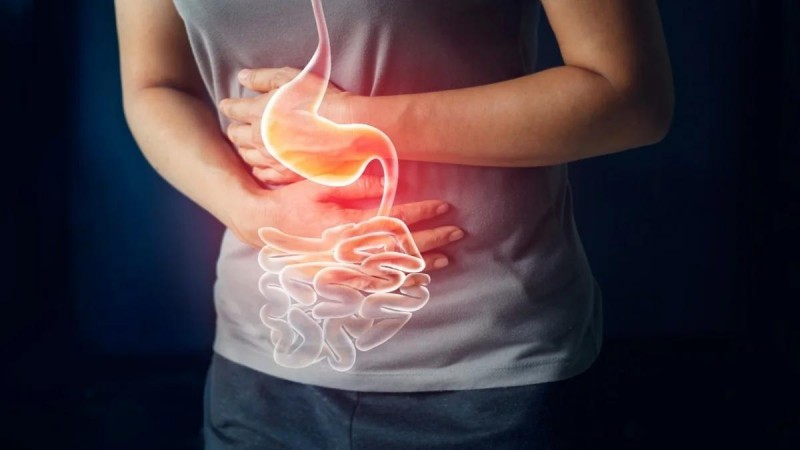
Fart is the true mirror of the spleen and stomach.
In the physiological mechanism of the human body, farting, a seemingly indecent physiological phenomenon, actually contains rich health information. The spleen and stomach are important organs for digestion, absorption, and transportation of nutrients. The emission of intestinal gas, that is, farting, is an intuitive reflection of the functional state of the spleen and stomach, just like a mirror, reflecting the health of the spleen and stomach.
1. The production of farts
The production of farts comes from the gas produced by the fermentation of food residues in the intestines under the action of bacteria. These gases are mainly composed of nitrogen, hydrogen, carbon dioxide, methane and a small amount of hydrogen sulfide. Under normal circumstances, people will produce a certain amount of intestinal gas every day and excrete it from the body in the form of farting. When the spleen and stomach function normally, food can be digested and absorbed smoothly, the amount of gas produced is moderate, and the frequency and smell of farting are relatively normal. However, when the spleen and stomach function is abnormal, the farting situation will also change accordingly.

2. The frequency of farts
The frequency of farting is an important indicator for evaluating the health of the spleen and stomach. When the spleen and stomach function well, the intestinal peristalsis is smooth, the food residue stays in the intestine for a moderate time, and the gas produced can be discharged in time, so the frequency of farting is relatively stable. However, when the spleen and stomach function weakens, such as indigestion and spleen and stomach weakness, the intestinal peristalsis slows down, and the food residue stays in the intestine for too long, resulting in increased gas production and a corresponding increase in the frequency of farting. On the contrary, if the spleen and stomach function is too hyperactive, such as strong stomach fire, the intestinal peristalsis is too fast, the food residue stays in the intestine for too short a time, the gas production is reduced, and the frequency of farting will decrease.
3. The smell of farts
The smell of farts is another important signal of the health of the spleen and stomach. Under normal circumstances, the smell of farts is relatively mild, slightly sour or smelly. However, when the spleen and stomach function is abnormal, the smell of farts will also change significantly. For example, when the spleen and stomach are damp and hot, the bacterial activity in the intestine is enhanced, and gases with strong odors such as hydrogen sulfide are produced, causing the smell of farts to become strong.
In addition, if the spleen and stomach function is weak, food residues stay in the intestines for too long and are over-fermented by bacteria, a lot of odor will also be produced. Therefore, by observing the smell of farts, we can roughly judge the health of the spleen and stomach.
4. Abnormal farts
In daily life, if the following abnormal farts occur, it may mean that there are health problems with the spleen and stomach:

Frequent farts with strong odors may indicate that the spleen and stomach are seriously damp and hot, and the diet structure needs to be adjusted, reducing the intake of greasy and spicy foods and increasing light and easily digestible foods. The number of farts decreases and the odor is foul, which may mean that the spleen and stomach function is weakened, and food residues stay in the intestines for too long. The spleen and stomach function needs to be strengthened to promote intestinal peristalsis. Farting is accompanied by symptoms such as abdominal pain and bloating, which may indicate that there are inflammation or ulcers in the spleen and stomach, and timely medical examination is required. Farting with blood or mucus may be a manifestation of aggravated spleen and stomach diseases, such as intestinal infections, inflammatory bowel disease, etc., and immediate medical treatment is required.
5. Maintain the spleen and stomach
For the spleen and stomach health problems reflected by abnormal farting, we can take the following measures for maintenance:
Maintain a balanced diet and eat more light and easily digestible foods, such as vegetables, fruits, and coarse grains. Reduce the intake of irritating foods such as greasy, spicy, and cold foods to reduce the burden on the spleen and stomach. Proper exercise can promote intestinal peristalsis, accelerate the discharge of food residues, and reduce the production of intestinal gas. It is recommended to do a moderate amount of aerobic exercise every day, such as walking, jogging, yoga, etc. Ensure adequate sleep time and avoid bad living habits such as staying up late and being tired. At the same time, keep a happy mood and avoid the impact of negative emotions such as excessive anxiety and tension on the spleen and stomach.
Fart, this seemingly insignificant physiological phenomenon, actually contains rich health information. By observing the frequency, smell, and accompanying symptoms of farting, we can roughly judge the health of the spleen and stomach.
In daily life, we should pay attention to the changes in the physiological phenomenon of farting, adjust the diet structure in time, increase exercise, and maintain good living habits. Let us start from now on, pay attention to the subtle changes of farts, and carefully maintain the health of the spleen and stomach!